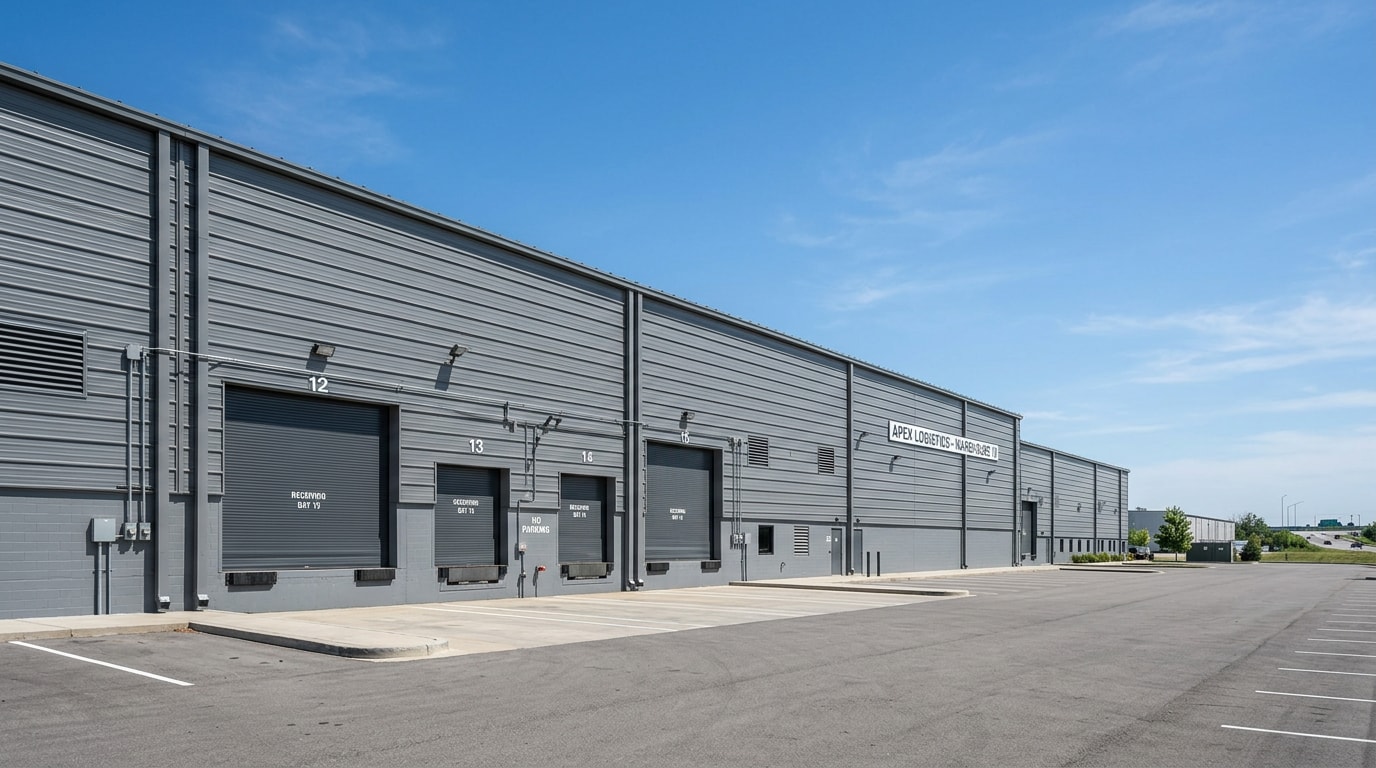
Industrial painting services in Strasburg, VA need to do more than cover a surface. Warehouses, plants, and distribution centers along the I-81 corridor need coatings that survive forklift traffic, moisture, and chemical exposure without shutting down production for days at a time. This guide breaks down the coating systems, specialty applications, and safety credentials that separate a contractor who can handle a facility job from one who can only paint a house.
What Industrial Painting Services Cover in Strasburg, VA
Industrial painting spans coating work across metal, concrete, masonry, plastic, rubber, and wood substrates used in manufacturing and storage facilities. Each substrate needs its own surface prep and coating chemistry to avoid premature failure, corrosion, or peeling under stress.
Common substrates and systems include:
- Acrylic coatings for walls and general exteriors exposed to weathering
- Epoxy coatings for floors, tanks, and high-traffic areas needing chemical resistance
- Polyurethane coatings for machinery and structural steel facing abrasion and temperature swings
- PTFE and specialty systems for chemical plants and extreme-heat zones
Surface preparation matters as much as the coating itself. Profile and cleanliness grades for steel and concrete follow AMPP Standard Committee SC 05 standards, which develop and maintain requirements for preparing metal and concrete surfaces to improve coating and lining performance . A contractor who references these grades by name, rather than just saying "we clean the surface first," is signaling real familiarity with the spec sheet.
For facilities that also need standard finish work alongside heavy coating jobs, a single crew can typically handle both. Many of the same contractors doing commercial painting projects in town also run the metal painting and spray painting work that industrial facilities depend on, so you're not juggling two separate vendors for one building.
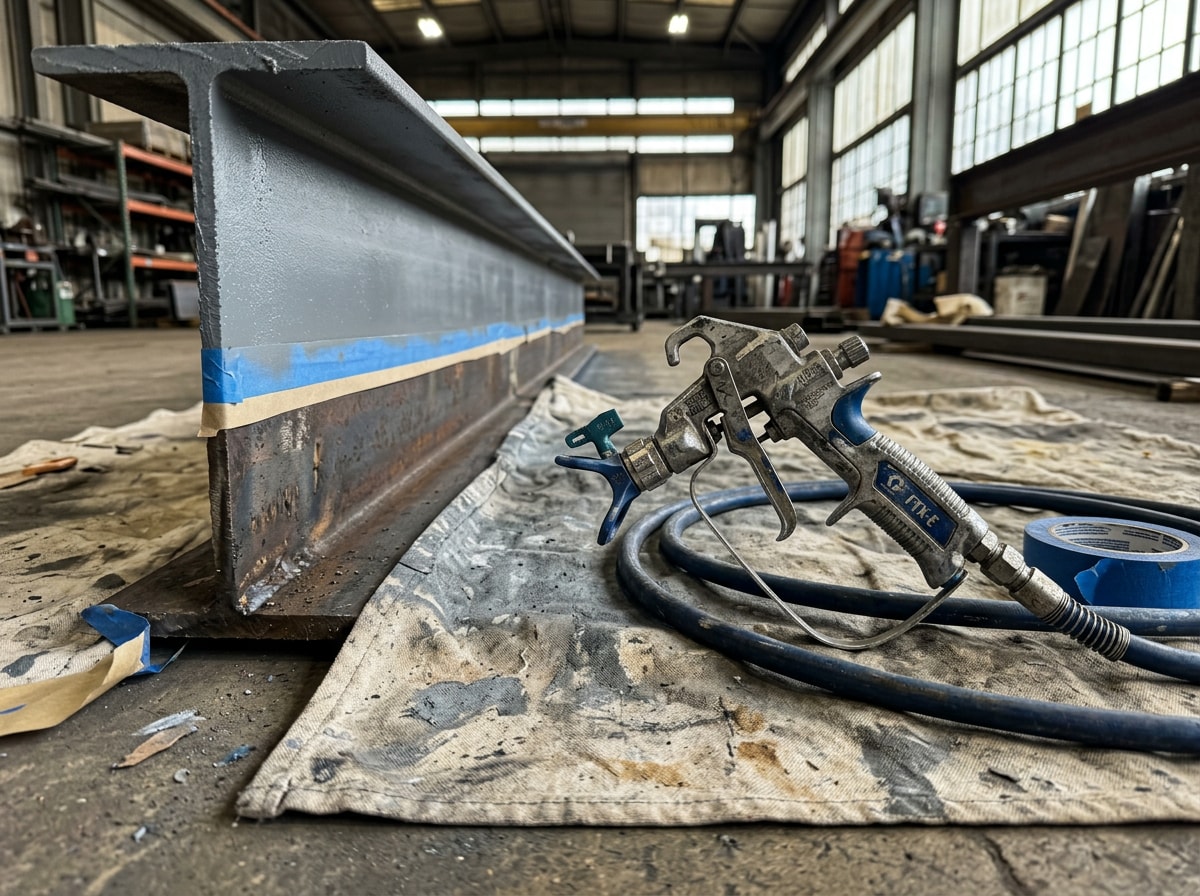
Coating Systems, Durability & Cost
Choosing the wrong coating for the environment is the single most common reason industrial paint fails early. A table helps, but the honest answer is that lifespan always depends on traffic, chemical exposure, and how well the surface was prepped before coating.
| Coating | Durability | Relative Cost | Best Use |
|---|---|---|---|
| Acrylic paint | Moderate | Low | Walls, general exteriors |
| Epoxy | High | Moderate | Floors, tanks, high-traffic areas |
| Polyurethane | Very high | Moderate-High | Machinery, structural steel |
| PTFE | Highest | High | Extreme heat, chemical plants |
Industry data gives a realistic range rather than a single number. In most commercial and industrial settings, epoxy flooring typically lasts 5 to 10 years in heavy-use environments and longer in moderate-use spaces , while polyurethane coatings generally last 12 to 20 years and offer greater flexibility and abrasion resistance than epoxy . Facility owners who treat "epoxy lasts 15 years" as a guarantee, without accounting for forklift lanes and washdown cycles, are usually the ones calling a contractor back in year four.
Because every facility's traffic and exposure is different, pricing is quoted after a walkthrough rather than off a flat rate card. Request a free estimate and a crew will walk the space, note the substrate and traffic patterns, and scope the right system before quoting square footage.
Specialty Industrial Applications
Beyond standard coating work, Shenandoah County facilities regularly need applications that general house painters don't offer:
- Chemical plant and secondary containment painting
- Cold storage and freezer-rated coatings
- Conduit and pipe painting
- OSHA color coding for equipment and safety markings
- Tank and silo painting
- Structural steel painting
These services matter most for manufacturing plants, warehouses, and processing facilities where equipment and piping need clear, code-compliant visual markings, not just a fresh coat of color.
Built for Harsh Environments: Corrosion, Chemicals & Heat
Standard paint fails fast in industrial settings because it was never engineered for the conditions. Shenandoah Valley facilities near the river and along I-81 deal with humidity swings on top of the usual industrial stressors: moisture, corrosion, high heat, chemical exposure, and abrasion from forklifts and foot traffic.
Reducing long-term maintenance cost starts with slowing corrosion before it reaches structural steel, not patching rust after it appears. Sherwin-Williams Protective & Marine positions its coatings around delivering technical and specification support for exactly these corrosion and asset-protection challenges , which is a useful benchmark when you're evaluating what a contractor is actually specifying on your job versus just applying whatever is in the truck.
Safety & Certifications to Verify Before You Hire
Hiring decisions should weigh safety practices as heavily as coating quality. Industrial sites carry real risk for workers, equipment, and your production schedule if something goes wrong mid-project.
A few things worth checking before you sign anything:
- OSHA compliance. Crews should be trained on general industry standards.
29 CFR 1910 establishes the enforceable workplace safety requirements that apply to most private-sector employers in the United States , and a contractor who can speak to confined space entry, respiratory protection, and fall protection without hesitating has actually done the training.
- SSPC/AMPP QP1 accreditation.
This accreditation is an internationally recognized program that evaluates the practices of industrial painting contractors in key areas of their business . It's worth knowing that SSPC itself no longer exists as a separate body: it merged with NACE International in 2021 to form AMPP, so a contractor citing "SSPC QP1" today is referencing a legacy name for a still-active accreditation now run under AMPP.
- Licensing and insurance. Confirm coverage limits match the size of your facility, not just a generic contractor's policy.
On a working job site, this looks like phased scheduling: one bay gets blasted, primed, and coated while an adjacent bay stays open for forklift traffic, so the building never has to shut down completely. That kind of sequencing only happens when a crew has actually run industrial jobs before, not just read about them.
Why Shenandoah Valley Facility Managers Choose Perfection Pro Painting
Perfection Pro Painting is a locally owned, licensed and insured painting contractor serving Strasburg and the surrounding Northern Shenandoah Valley, including Winchester, Front Royal, and Stephens City. The team pairs standard commercial finish work with heavier coating jobs, so a facility manager isn't coordinating two separate contractors for one building.
If you want to see the kind of finish quality and prep work that goes into a job before you commit, browse completed projects or start with a free estimate for your facility. For homeowners and smaller commercial clients in town, the Strasburg, VA service area page and the House Painting Strasburg, VA guide cover residential and light-commercial pricing in more detail. The full painter services menu and the homepage list everything the team handles across the region.
FAQ
What is industrial painting?
Industrial painting is the professional application of high-performance protective coatings on large-scale structures like factories, warehouses, manufacturing plants, silos, and storage tanks. It prioritizes durability and surface protection over appearance alone.
What's the difference between industrial painting and commercial painting?
Industrial painting uses specialized coatings built to withstand corrosive, high-stress conditions and protect the substrate underneath. Commercial painting typically covers office buildings, schools, and retail spaces where appearance matters more than chemical or abrasion resistance.
How long does industrial paint last?
It depends heavily on traffic and exposure, not just the product. Heavy-use epoxy floors generally hold up 5 to 10 years, while polyurethane topcoats on machinery or structural steel often run longer in moderate conditions. A proper prep job and the right system matter more than brand name.
How often should industrial facilities be repainted?
Warehouse interiors generally need repainting every 5 to 10 years. High-traffic zones like loading docks and forklift lanes often need touch-ups every 2 to 3 years to maintain protection and keep safety markings legible.
Do I need to shut down operations during industrial painting?
Not usually for a full shutdown. Most jobs are sequenced in sections, so one area is prepped and coated while the rest of the facility keeps running. Full shutdowns are typically reserved for tank interiors or confined-space work where access has to be controlled.
How much does industrial painting cost in Strasburg, VA?
Cost depends on square footage, substrate condition, access, and the coating system selected, so there isn't a single flat rate. Most contractors walk the site first and quote per project after seeing the actual conditions.
What certifications should I ask an industrial painting contractor for?
Ask about OSHA general industry training, SSPC/AMPP QP1 accreditation for complex field coating work, and current licensing and insurance. A contractor who can explain what each one actually covers, not just list the acronyms, is a good sign.